The Era of Building Solar: UAE’s 2026 Manufacturing Pivot
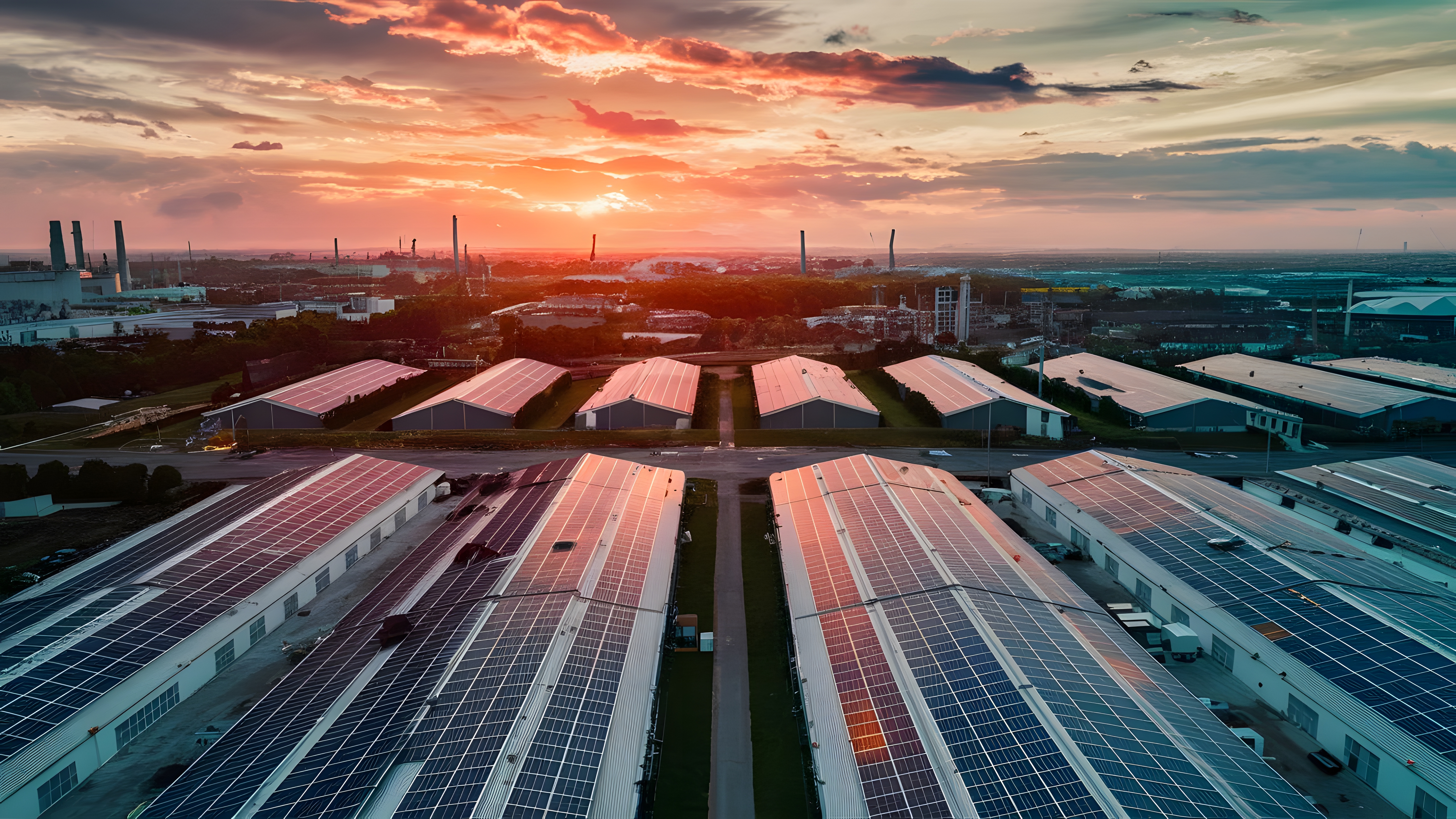
The era of merely buying solar panels is over. In 2026, the UAE has pivoted to building them. With a national target of 36 GW of solar capacity by 2029 and a government-backed “Make it in the Emirates” campaign, the industrial landscape is shifting beneath our feet.
If you are an industrial investor, 2026 isn’t just another year on the calendar—it is the year the UAE’s new fiscal and incentive frameworks officially go “live,” creating a high-reward environment for those positioned in the right zones.
This article covers:
- UAE Solar Energy Market Landscape
- The Designated Zone Tax Advantage
- Federal R&D Incentive
- The UAQ FTZ Advantage
UAE Solar at Scale: What the Numbers Reveal
The scale of the solar power UAE market is no longer just ambitious—it’s quantifiable. As of early 2026, several key indicators signal an industrial explosion:
- Growth Trajectory: Installed solar capacity projected to surge from 7.9 GW in 2024 to 36 GW by 2029 (CAGR of 35%).
- Market Valuation: Solar energy systems market expected to reach $2.8 billion by 2030.
- The Efficiency Leap: AI and bifacial tech doubled efficiency from 11% to 24%.
- The Investment Pipeline: UAE committed $54.5 billion (AED 200 billion) to triple clean energy capacity by 2030.
- Cost Leadership: Solar tariffs as low as $0.0135 per kWh, making factory energy costs among the world’s lowest.
The Hidden 0% Tax Advantage: Corporate Tax and Designated Zones
You’ve likely heard about the 9% UAE corporate tax. But here’s the part many miss: Designated Zones like the UAQ Free Trade Zone operate under rules that can keep your tax bill at zero.
For a solar manufacturer, income from production and international trade can still benefit from 0% tax, provided the entity maintains adequate substance. This carve-out supports the UAE’s Operation 300bn strategy — turning free zones into high-efficiency manufacturing hubs.
In a high-margin industry like solar component manufacturing, that 9% difference could fund your R&D budget for years.
New for 2026: The Federal R&D Cash-Back
The UAE government’s R&D Tax Incentive offers refundable credits of 30%–50% for companies investing in high-value manufacturing.
The Opportunity: Testing new PV efficiency models or developing desert-proof batteries could yield direct refunds.
The Supply Chain Reality: While polysilicon imports continue, local solar glass and cell assembly are being fast-tracked to reduce dependency and reward local sourcing.
Why UAQ Free Trade Zone is the Strategic Sweet Spot
When selecting a free zone in UAE, investors often get stuck between high-cost hubs and remote sites. UAQ Free Trade Zone hits the “Triple Crown” of logistics:
- 30 Minutes from Dubai: Direct access to the E311/E611 corridors.
- Designated Zone Status: Enables 0% corporate tax on manufacturing.
- Plug-and-Play Infrastructure: From 5,000 sqm giga-factory plots to modular warehouses — operational in weeks, not months.
Conclusion: The 2030 Horizon
As the UAE races toward its Net Zero 2050 goal, 2026 stands as the launchpad for solar manufacturing. The mix of domestic demand, fiscal advantages, and logistical connectivity makes UAQ FTZ a “Green Corridor” for global energy investors ready to build, not just buy.